Why is cardiac rehabilitation an important part of cardiovascular care?
Cardiac rehabilitation supports individuals recovering from certain heart-related conditions and procedures. It commonly involves supervised physical activity, education, lifestyle guidance, and ongoing clinical assessment. Biomedical engineering contributes to this process by developing monitoring equipment, rehabilitation technologies, and digital systems that help healthcare professionals evaluate patient progress. The subject of Dr Carlo Bartoli provides an opportunity to explore how engineering research can connect cardiovascular science with technologies designed to support recovery and long-term heart health.
How does technology assist patients during rehabilitation?
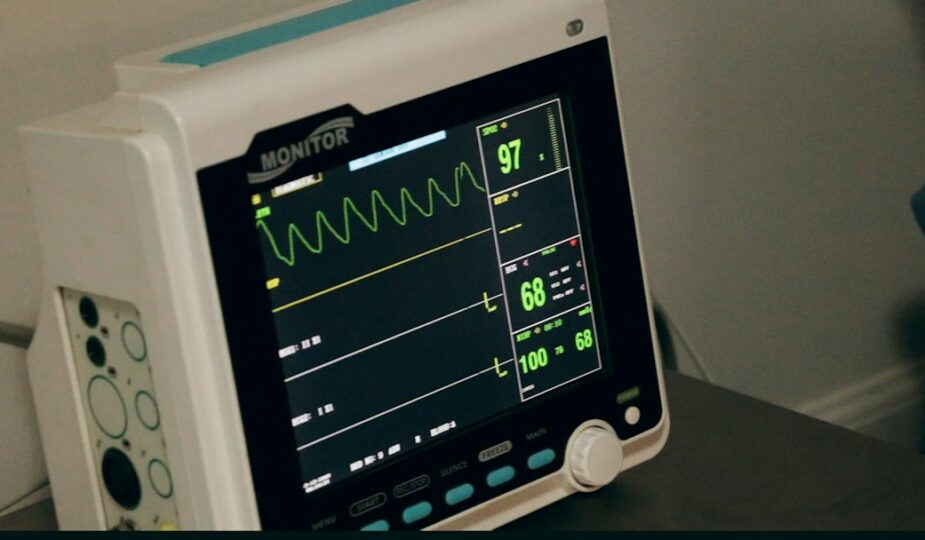
Rehabilitation programs may use exercise monitoring systems to observe physiological responses during physical activity. Heart rate monitors, electrocardiogram equipment, and other clinical devices can provide information about cardiovascular performance.
These technologies allow healthcare professionals to assess how a patient responds to supervised exercise and determine whether adjustments are needed.
The specific monitoring approach depends on individual medical circumstances and the rehabilitation program established by the treating team.
What is the role of wearable devices in recovery?
Wearable devices can collect information about heart rate, movement, and physical activity. Some specialized systems also support longer-term cardiac rhythm monitoring.
These tools may help patients and healthcare providers understand activity patterns outside clinical appointments.
Biomedical engineers contribute by designing comfortable sensors, improving measurement reliability, and developing communication systems that transfer collected information to compatible platforms.
However, wearable measurements should be interpreted carefully because consumer devices may not provide the same diagnostic capabilities as specialized medical equipment.
Can virtual rehabilitation support cardiac patients?
Digital rehabilitation platforms can provide access to educational resources, guided exercise instructions, and remote communication with healthcare professionals.
Some systems incorporate interactive exercises and monitoring features that help individuals follow their rehabilitation plans.
Virtual approaches may offer additional flexibility for selected patients, particularly when regular travel to a rehabilitation facility presents difficulties. Nevertheless, remote rehabilitation is not appropriate for every individual and should be recommended by qualified medical professionals.
How does biomedical engineering contribute to rehabilitation equipment?
Engineers develop exercise equipment and monitoring technologies that can be adapted to different patient requirements.
Examples include stationary exercise systems with physiological monitoring, wearable sensors, and devices that record movement patterns.
The equipment must provide dependable measurements while remaining comfortable and straightforward to operate. Accessibility is also important because rehabilitation technologies should accommodate individuals with different physical abilities.
In discussions concerning Dr Carlo Bartoli, these applications demonstrate how biomedical engineering extends beyond diagnosis and treatment to include technologies that support the recovery process.
What is the importance of patient-specific rehabilitation?
Every patient’s recovery experience is different. Medical history, cardiovascular function, physical ability, and treatment outcomes influence rehabilitation requirements.
Biomedical engineering can support personalized approaches through monitoring systems and analytical technologies that provide information about individual progress.
Healthcare professionals can use these observations alongside clinical assessments when adjusting rehabilitation activities.
What challenges affect technology-based rehabilitation?
One challenge is ensuring that monitoring devices provide dependable information during physical activity. Movement, sensor placement, and environmental conditions can influence measurement quality.
Digital accessibility is another consideration. Patients may have different levels of familiarity with electronic devices, so systems should be easy to understand and use.
Healthcare teams must also ensure that remote information is reviewed appropriately and that patients know when to seek medical assistance.
What does the future hold for cardiac rehabilitation technology?
Future innovations may include intelligent exercise monitoring, connected rehabilitation equipment, advanced wearable sensors, and personalized digital programs.
Improved integration between clinical systems and home-based monitoring could help healthcare professionals follow recovery more effectively.
Why is engineering important beyond cardiac treatment?
Biomedical engineering has an important role throughout the cardiovascular healthcare journey. From diagnostic equipment to rehabilitation technologies, its applications support different stages of patient care. Exploring Dr Carlo Bartoli through this wider perspective highlights the value of combining scientific knowledge, technological development, and clinical collaboration to strengthen cardiac rehabilitation and support ongoing improvements in cardiovascular healthcare.