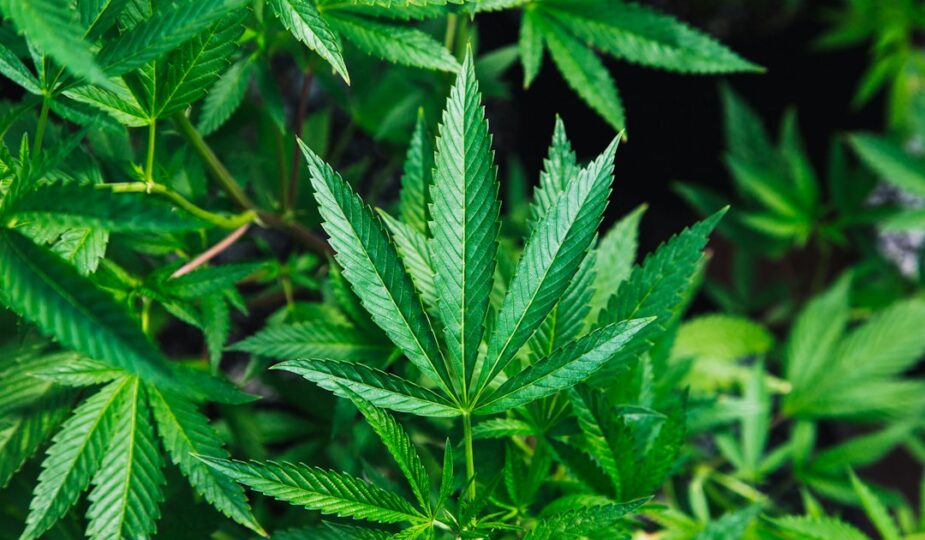
Cannabis classification has traditionally used terms such as indica and sativa to describe broad groups of plants, but modern genetics have made these categories more nuanced. Indica is commonly associated with particular plant structures, flower characteristics, and historical cultivation regions, making it a familiar term for cannabis shoppers exploring different varieties. Understanding these commonly associated traits can provide useful context while also highlighting the diversity found in contemporary cannabis products.
What’s Covered
- Where Does the Traditional Indica Classification Come From?
- What Plant Structure Is Commonly Associated With Indica?
- Why Is Flower Structure Often Discussed?
- What Aromas Are Associated With Indica Varieties?
- How Do Terpenes Help Explain Product Differences?
- Are Modern Indica Products Always Pure Indica?
- How Can Consumers Explore These Characteristics Online?
- Why Does Modern Breeding Matter?
- Conclusion
Where Does the Traditional Indica Classification Come From?
The traditional indica classification is connected to cannabis varieties historically associated with regions of South and Central Asia. These plants developed in environments that influenced their physical characteristics and growing patterns.
Historically, indica-type plants were often described as shorter and more compact than plants traditionally categorized as sativa. Their broader leaves and dense branching patterns became some of the most recognizable characteristics associated with the category.
Modern cultivation, however, has introduced extensive crossbreeding, making many contemporary products genetically diverse.
What Plant Structure Is Commonly Associated With Indica?
One of the most frequently described characteristics is a relatively compact plant structure. Traditional indica varieties often developed with shorter heights and broader foliage.
Their physical structure was well suited to particular growing environments and cultivation conditions. These characteristics helped distinguish them from the taller, narrower structures historically associated with other cannabis classifications.
Today, hybridization means that physical traits can vary considerably from one cultivar to another.
Why Is Flower Structure Often Discussed?
Flower structure is another characteristic commonly considered when discussing traditional indica varieties. Dense and compact buds are frequently associated with this category.
Modern cultivation techniques can influence flower size, density, resin production, and overall appearance. As a result, contemporary indica-labeled products can display a wide range of visual characteristics.
Trichome coverage is also an important part of flower appearance because these resin-producing structures contain cannabinoids and aromatic compounds.
What Aromas Are Associated With Indica Varieties?
Aroma is one of the most noticeable differences consumers may encounter when exploring cannabis flower. Indica-associated varieties can feature diverse aromatic profiles, including earthy, herbal, woody, spicy, floral, and sweet notes.
These differences are largely connected to terpene composition rather than the indica label itself. Individual cultivars can contain different combinations of terpenes, creating distinctive sensory profiles.
This is why two products described as indica can smell and taste noticeably different.
How Do Terpenes Help Explain Product Differences?
Terpenes are naturally occurring compounds responsible for many of the aromas and flavors found in cannabis. They are also present in numerous other plants, fruits, herbs, and spices.
When comparing cannabis products, terpene information can provide additional insight into their sensory characteristics. Looking beyond broad classifications allows consumers to understand why individual varieties can have unique aromatic profiles.
Are Modern Indica Products Always Pure Indica?
Modern cannabis genetics make the distinction less straightforward. Many products described as indica are hybrids that contain genetics from multiple lineages.
Consequently, the traditional label should not be treated as a complete description of a product. Cultivar information, cannabinoid content, terpene composition, and available laboratory details can provide a more detailed understanding.
This broader perspective reflects the diversity of contemporary cannabis cultivation.
How Can Consumers Explore These Characteristics Online?
Digital dispensaries can make product characteristics easier to review by presenting individual selections with descriptions and relevant details. Online catalogs can organize flower products into categories while allowing consumers to examine different varieties at their own pace.
Kush Station Online Dispensary Canada offers an online platform where consumers can explore a range of cannabis products and discover different flower selections.
A structured digital catalog can make it easier to compare appearance, aroma descriptions, cannabinoid information, and other available product details.
Why Does Modern Breeding Matter?
Breeding has expanded cannabis genetics considerably. Cultivators can combine characteristics from different lineages, creating products with diverse physical and chemical profiles.
This development means that traditional classifications remain useful as familiar reference points, but they are only one part of modern cannabis product descriptions.
Conclusion
The characteristics commonly associated with indica include compact plant structures, broader leaves, dense flower formations, and diverse earthy, herbal, spicy, floral, or sweet aromatic profiles. However, modern cannabis breeding has created extensive genetic diversity, meaning individual products can vary significantly. By considering physical characteristics alongside terpene profiles, cannabinoid information, and cultivar details, consumers can gain a more complete understanding of the wide range of cannabis flower available today.